
At your venue
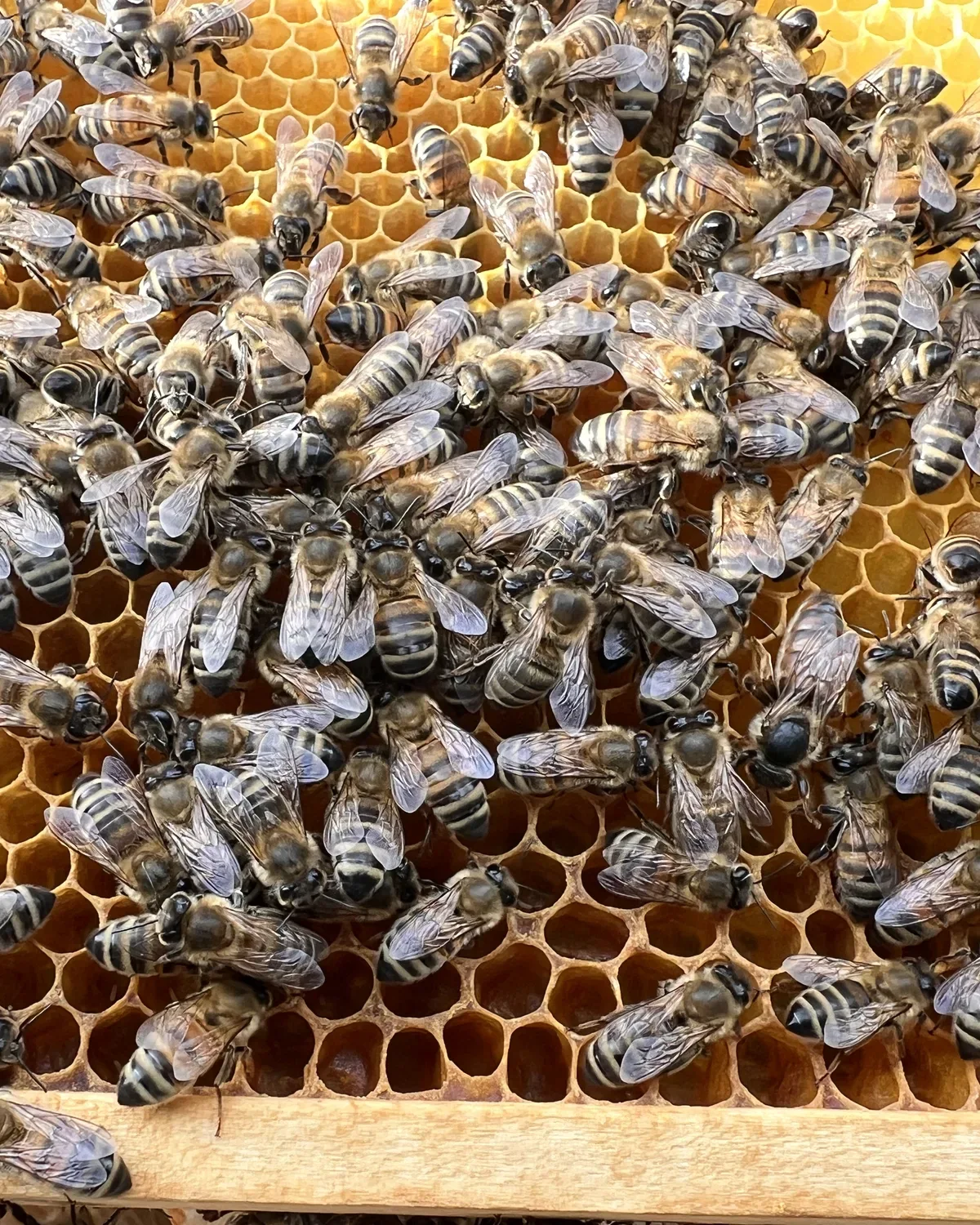
A talk can take place at a school, a club or another organisation. Philipp draws on his own day-to-day beekeeping and explains life in a honey bee colony clearly. The group’s age, existing knowledge and questions determine which topics are explored in more depth. A primary school class needs different examples from a group of adults.
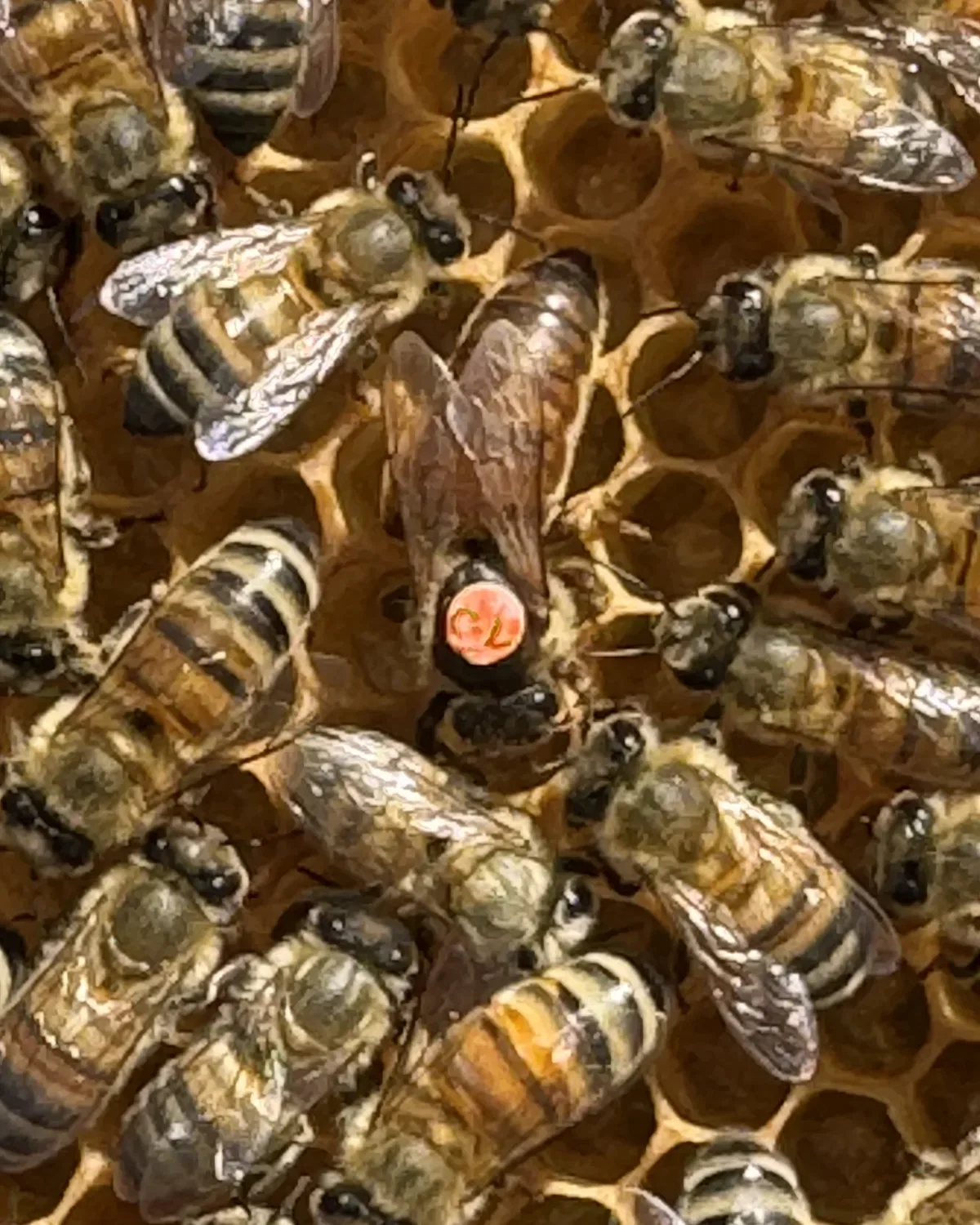
There is no fixed standard programme. Visual materials and practical insights can be included where suitable. There is room for your own questions: how does a larva become a queen? Why does honey go into the comb? And which bees live outside the hive?
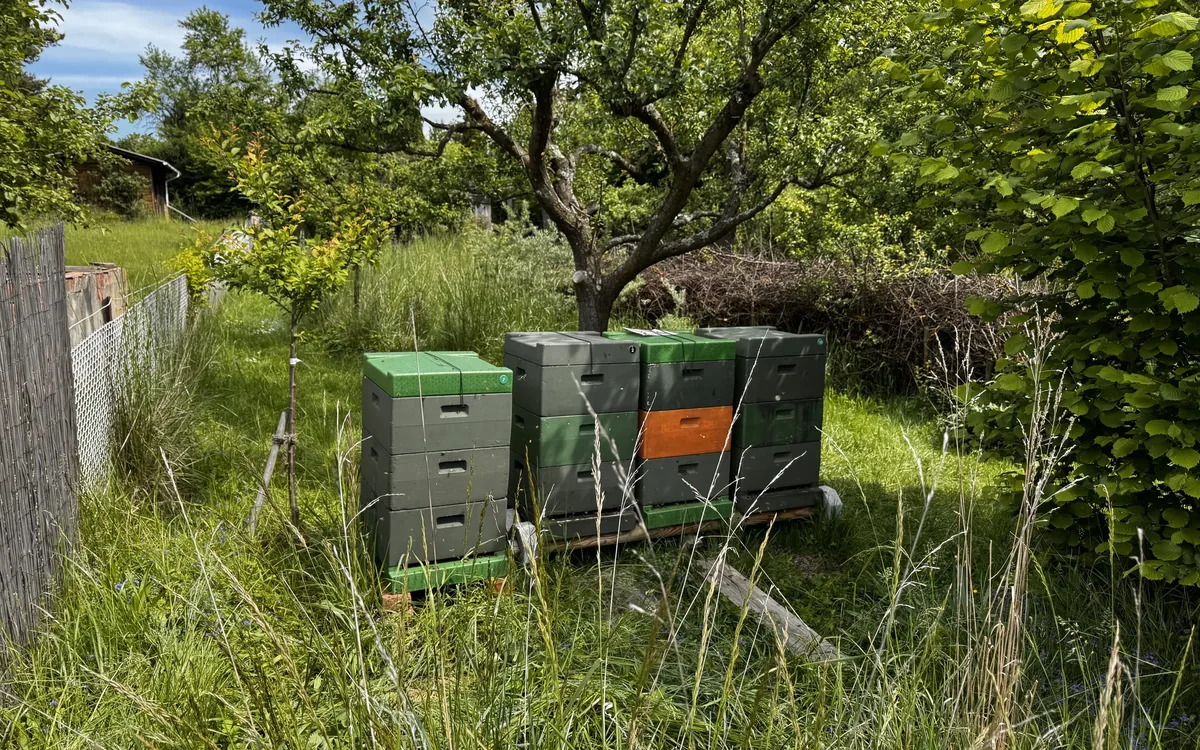
A guided visit to the apiary
School classes and other groups can also meet the bees at an apiary by arrangement. Whether a visit is possible, and what form it takes, depends on the season, weather, group size and the colonies’ circumstances. Apiaries are workplaces; some are on private property. Unannounced visits are therefore not available.
We agree on a safe setting together in advance. This includes access routes at the site, suitable supervision and information that participants need. You can mention particular requirements concerning paths, support or accessibility in your enquiry so that the visit can be planned carefully.
Understand first, then observe
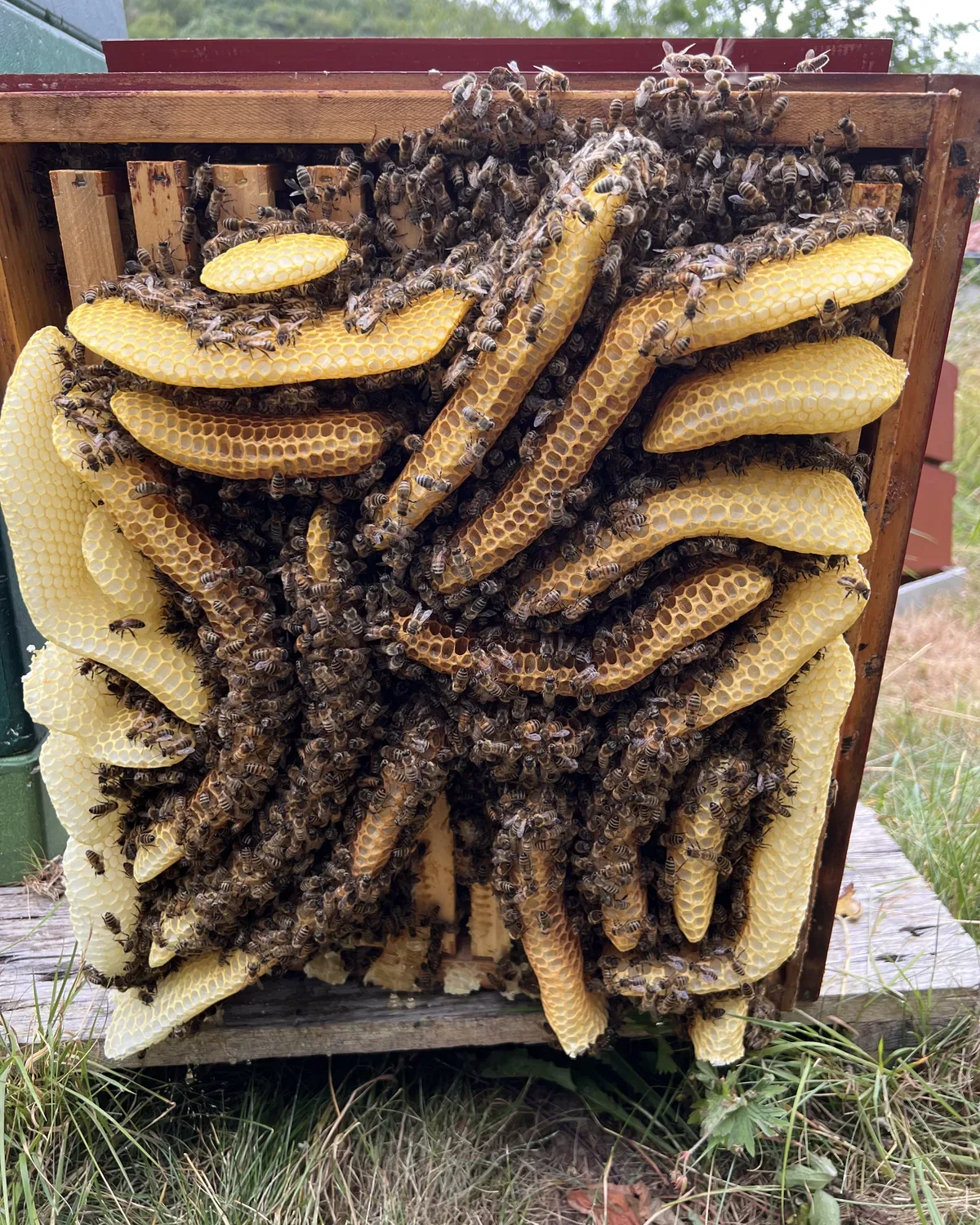
For school classes, a talk and a visit can form two linked encounters. First, the basics are discussed at school. On a later, separately arranged date, the class can recognise what they have learned among the bees: a hive entrance, work on a comb or the difference between food and young bees.
What can be observed depends on the situation. Each season reveals different things. These limits are part of honest nature education: the animals follow their own needs, not a demonstration schedule.
How we begin planning together
A few details are enough for an initial enquiry. Write to lecker@welterbe-honig.de and tell us:
- The group or organisation, ages and approximate number of participants.
- The location and preferred period.
- Whether you would like a talk, an apiary visit or a combination.
- Questions that particularly interest you.
Talks and guided visits are paid services. Content, duration, fees and any travel expenses are agreed personally according to the scope and work involved. Only this discussion establishes a definite date and a suitable offer. No current availability or flat-rate prices are promised here.
Look more closely, even without an appointment
You can begin with flowers on a walk. Which visitors arrive, how long do they stay, and are they visibly carrying pollen? Watch without touching the animals or opening nests. A photograph and a few notes can preserve a question to explore later.
The story and the knowledge pages help put what you see into context. They can prepare you for an encounter and deepen it afterwards. Personal experience complements reading: it reveals how much a bee’s year depends on place and time.
For children, just a few minutes beside a flower with visitors can open up new questions for the next shared encounter.