
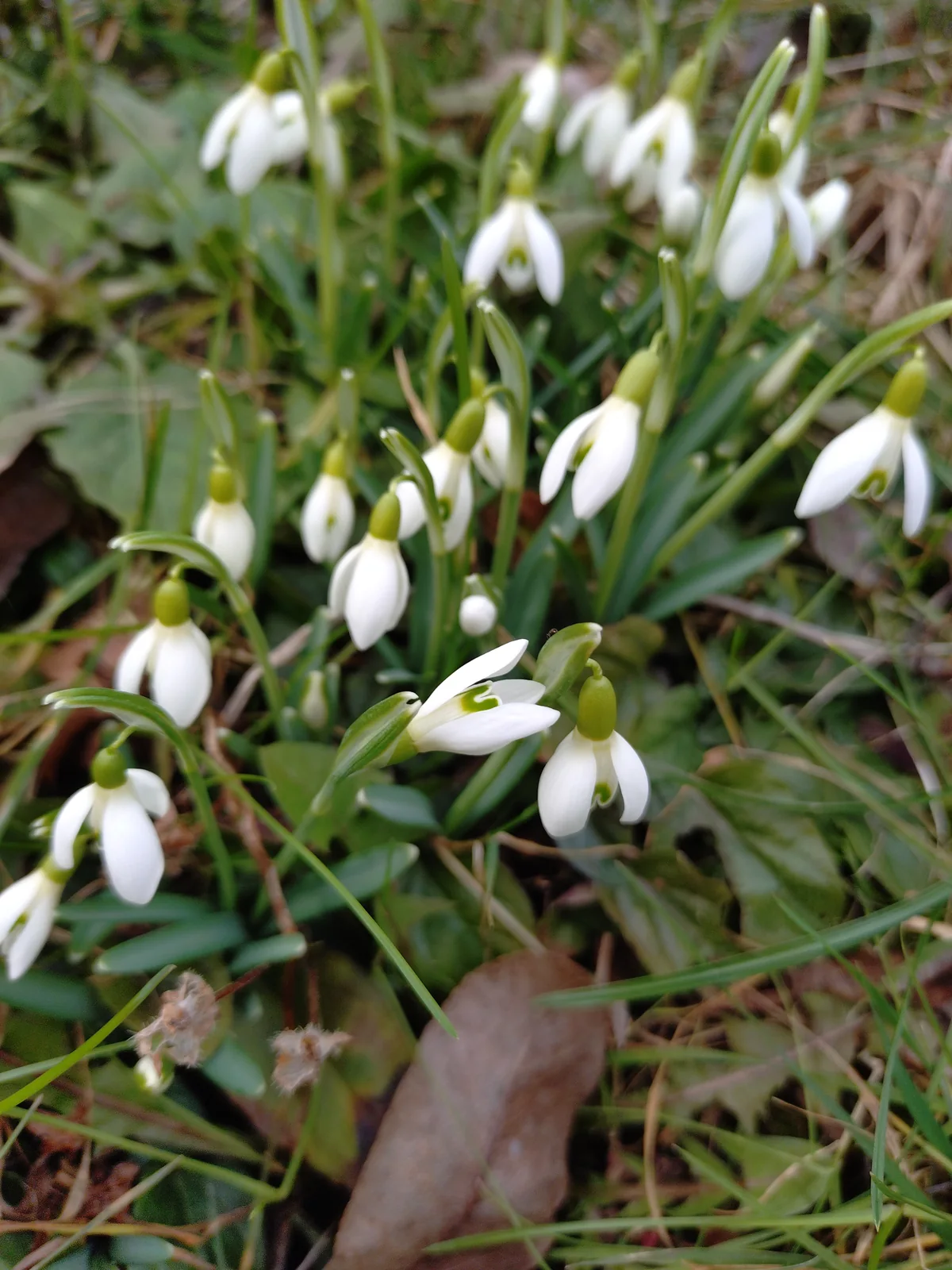
What happens between two flowers
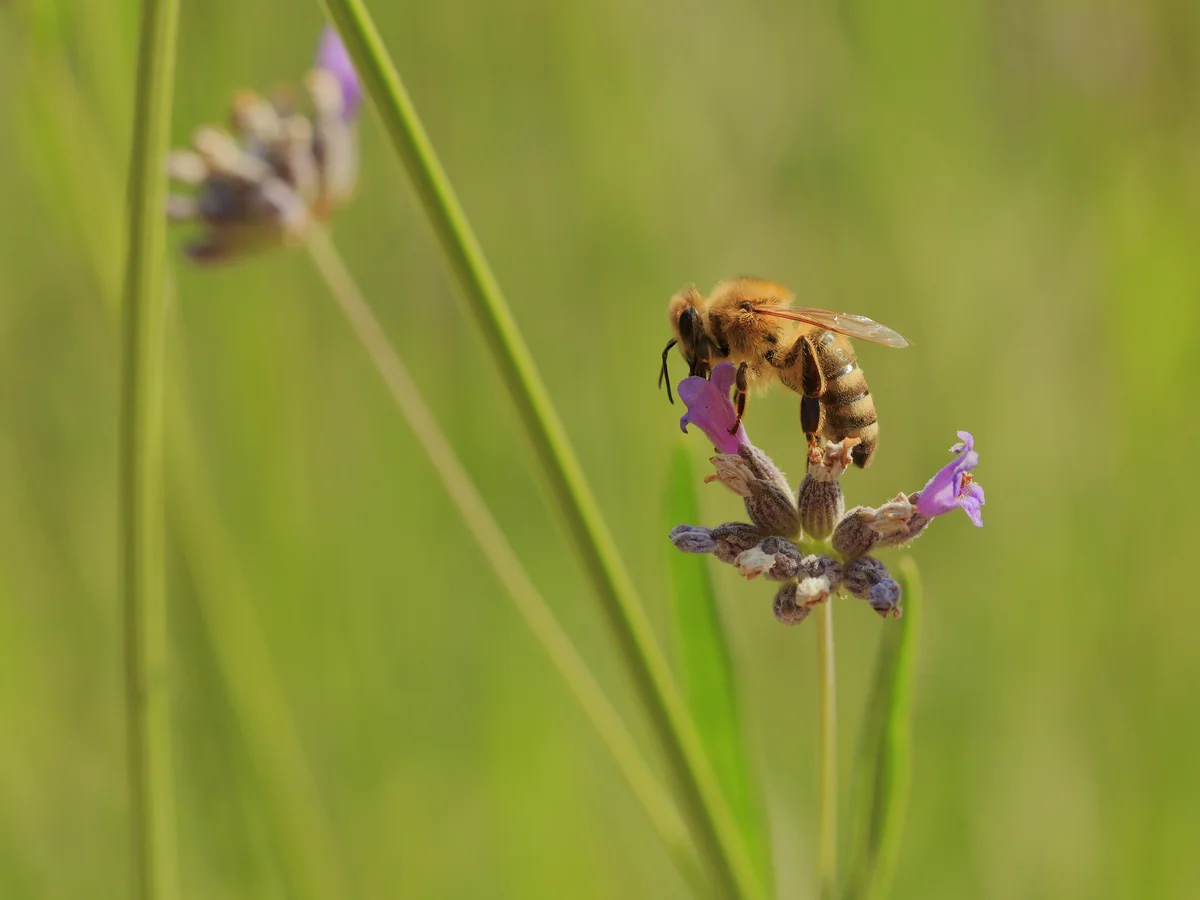
When an insect visits a flower, pollen can cling to its body. If suitable pollen reaches the stigma of another flower, pollination has taken place. After fertilisation, seeds and fruit can develop. But a flower visit is not equally effective for every plant species and every visitor.
Honey bees do a great deal, but they are part of a larger community. Wild bees, hoverflies, beetles and butterflies use flowers in different ways. A varied environment offers opportunities for different pollinators. The question is therefore not only how much is in bloom, but when, for whom and how close to suitable places to live.
From early spring to autumn
Choose plants that do not all flower at once. Native wild perennials, suitable trees and shrubs, and accessible single flowers are a good starting point. Willows provide early food; later, bellflowers, viper’s-bugloss and other wild plants suited to the site can follow. Light, soil and water availability matter, as do the needs of the visitors.
A “bee-friendly” label is no substitute for choosing carefully. Double ornamental flowers can make food difficult to reach. For specialist wild bees, the right pollen plant matters too. Keep valuable existing plants before digging everything up and sowing anew. Even in a balcony planter, several plants with different flowering times can make a contribution.

A nest need not be a grand structure
Bare soil, old plant stems and dead wood can form small habitats. Many wild bees dig their nests in the ground; others use cavities or stems. A nesting aid made of tubes serves only certain species. Their presence is welcome, but says little about diversity across the whole garden.
Where use of the garden and safety allow, leave a sunny patch of soil bare. Keep some dead stems through the winter. A piece of old wood need not always be removed straight away. Observe these features before removing them: a small hole or a sealed stem may already be occupied.
Change less at any one time
When mowing, leave different patches standing in turn so that all the flowers do not disappear on a single day. Establishing a meadow takes time and care suited to the site. A single summer flower strip cannot replace a lasting network of varied habitats.
Plant protection products should be avoided in a wildlife garden wherever possible. Not every sign of feeding calls for treatment. Choose fertilising and watering to suit the plants you want: many species-rich wild plant communities do not thrive on heavily fertilised ground. A wildlife garden remains a cared-for place, but its care leaves room for life and change.
A change you can follow through
Begin with a manageable area. In spring, observe which flowers are visited; in summer, where food gaps arise; in autumn, which structures can remain. Note what you actually see. After just one season, you can make better decisions about what else would help in that particular place.
- Keep existing flowers and add plants that extend the flowering season.
- Leave a patch of bare soil or a few stems undisturbed.
- Choose nesting aids with usable nesting tunnels rather than decorative fillings.
- Talk to neighbours about nearby habitats.
Many small, connected areas can offer more than an isolated beautiful garden. The aim is not a perfect picture. It is a place where different animals can find food, raise their young and return.