
_(8928109076).jpg)
The world beyond the hive
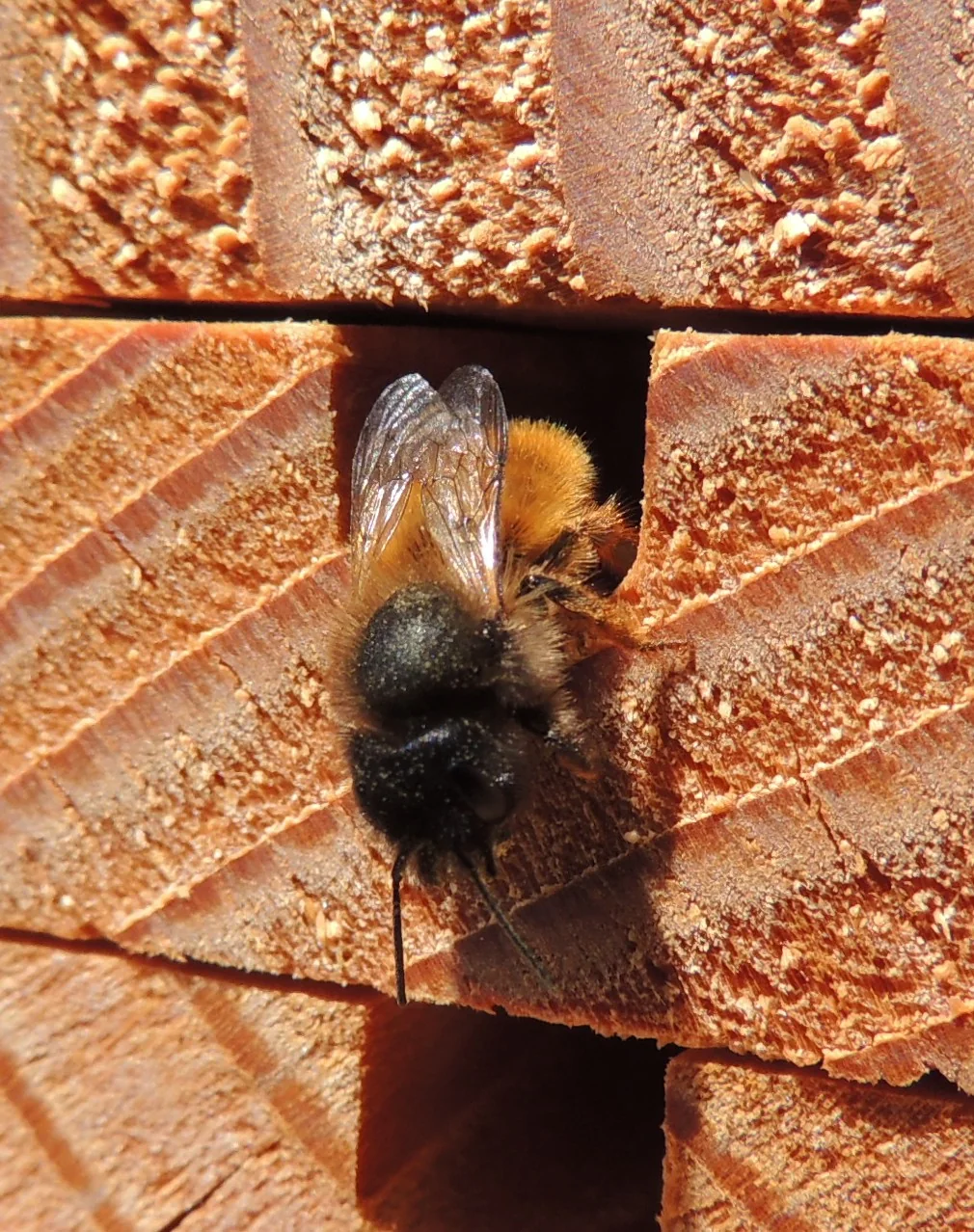
Most native wild bees live alone. A female builds her own brood cells, collects food for her offspring and seals the nest. There is no large worker community to bring fresh food later. Other species live communally or socially. Wild bees also include bumblebees, whose colonies follow a different annual rhythm from honey bee colonies.
“Wild bee” therefore does not identify a single species. Body size, flight period, nest construction and flower choice vary considerably. Some species stand out through dense hair; others are small, dark and easily overlooked. Looking only for the familiar image of a honey bee misses much of this diversity.
One flower alone does not make a habitat
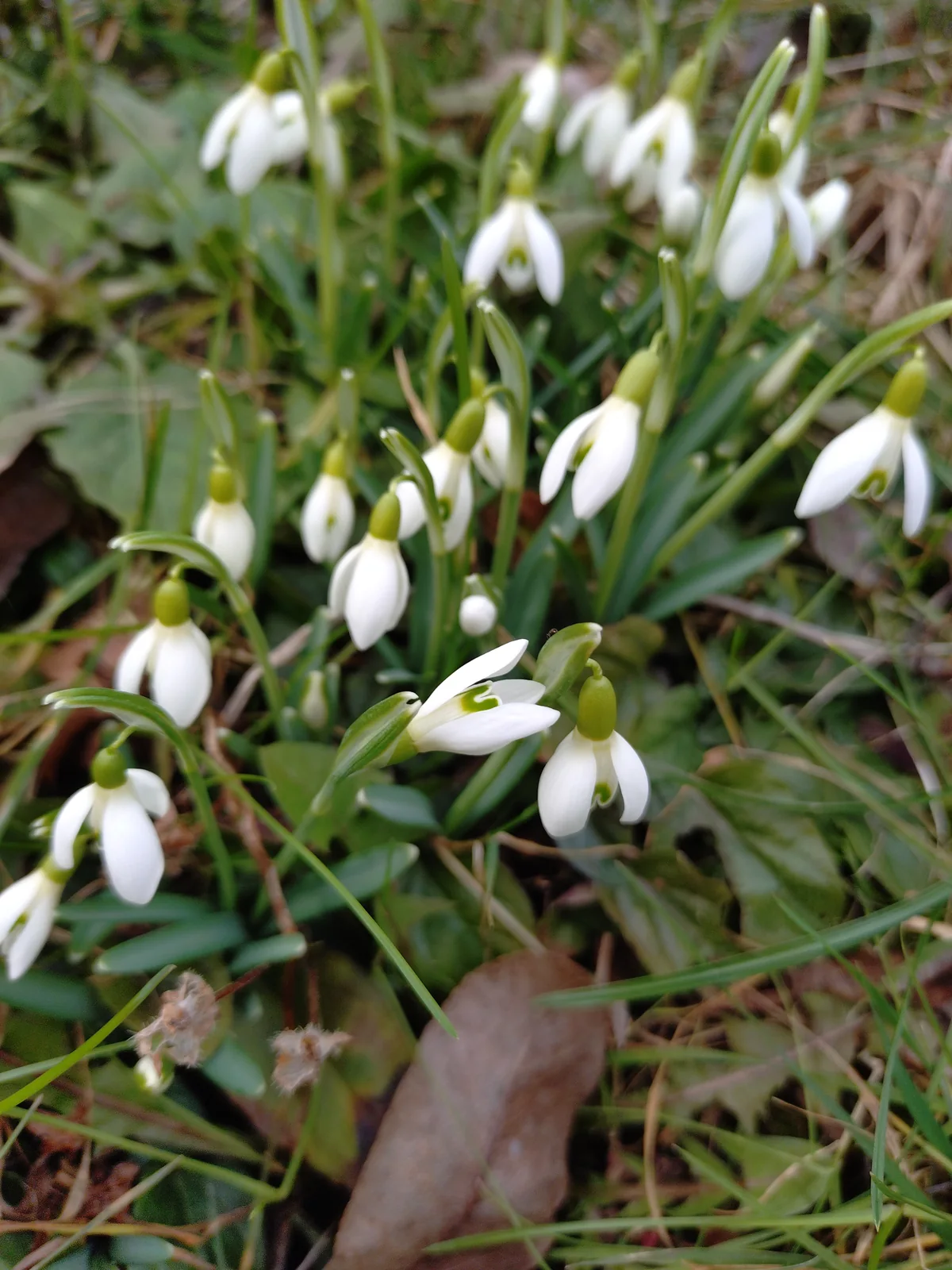
Many wild bees collect pollen for their brood; nectar supplies energy. Some species can use pollen from many plants, while others specialise in particular plant groups. A colourful flower bed is therefore not automatically suitable for every species. Native wild plants with accessible flowers are a good starting point. Resources spread across different flight periods are particularly useful.
Food and nest must be within reach of each other. A female flies repeatedly between them. If the nesting site is lost, an attractive flowering area is not enough. Conversely, the best nest is no help if the suitable pollen source disappears. Wild bee conservation therefore always considers the whole habitat.
Soil, stems and dead wood
A great many wild bees nest in the ground. Open, little-disturbed patches can be more valuable than a large shop-bought “insect hotel”. Other species use existing cavities, pithy plant stems, decaying wood or particular structures such as clay banks. Which are needed depends on the species.
Where appropriate in the garden, unsealed ground, old stems and dead wood can be retained. A tidy garden often loses precisely these small features. Occupied nesting sites should not be dug up or opened. Even dried stems can still house a future generation.
A small, carefully built nesting aid
Tube nesting aids support certain species that occupy existing cavities. They do not replace habitat conservation, but offer a wonderful place to watch. Neatly cut reed or bamboo tubes with a closed end and smooth entrances are suitable. For wood, use dry, untreated hardwood. Holes are drilled into the side of the block, not into the cut face showing the growth rings.
Different internal diameters, for example three to eight millimetres, give different inhabitants a chance. Tubes should have at least about ten centimetres of usable length. Avoid splinters, cracks and open rear ends. Cones, loose wood wool and decorative stone fillings are not usable substitute brood cells.
Mount the nesting aid firmly in a sunny position protected from driving rain. Occupied tunnels remain sealed, including in winter. A nesting aid does not belong in a warm living room: the brood’s seasonal rhythm should be preserved.
Watching is often the best first step
A female repeatedly visiting the same small opening reveals part of her nest construction. Watch from a distance without blocking the entrance. Note the date, plant and behaviour. Reliable species identification often requires good photographs and experience; yellow-and-black markings alone are rarely enough.
Looking closely is rewarding in itself. An apparently empty sandy patch or old plant stem becomes a living place. Preserving such places and connecting them with suitable food creates opportunities for more species than adding another honey bee hive.