
_queen,_Arnhem,_the_Netherlands.jpg)
Spring has a survivor
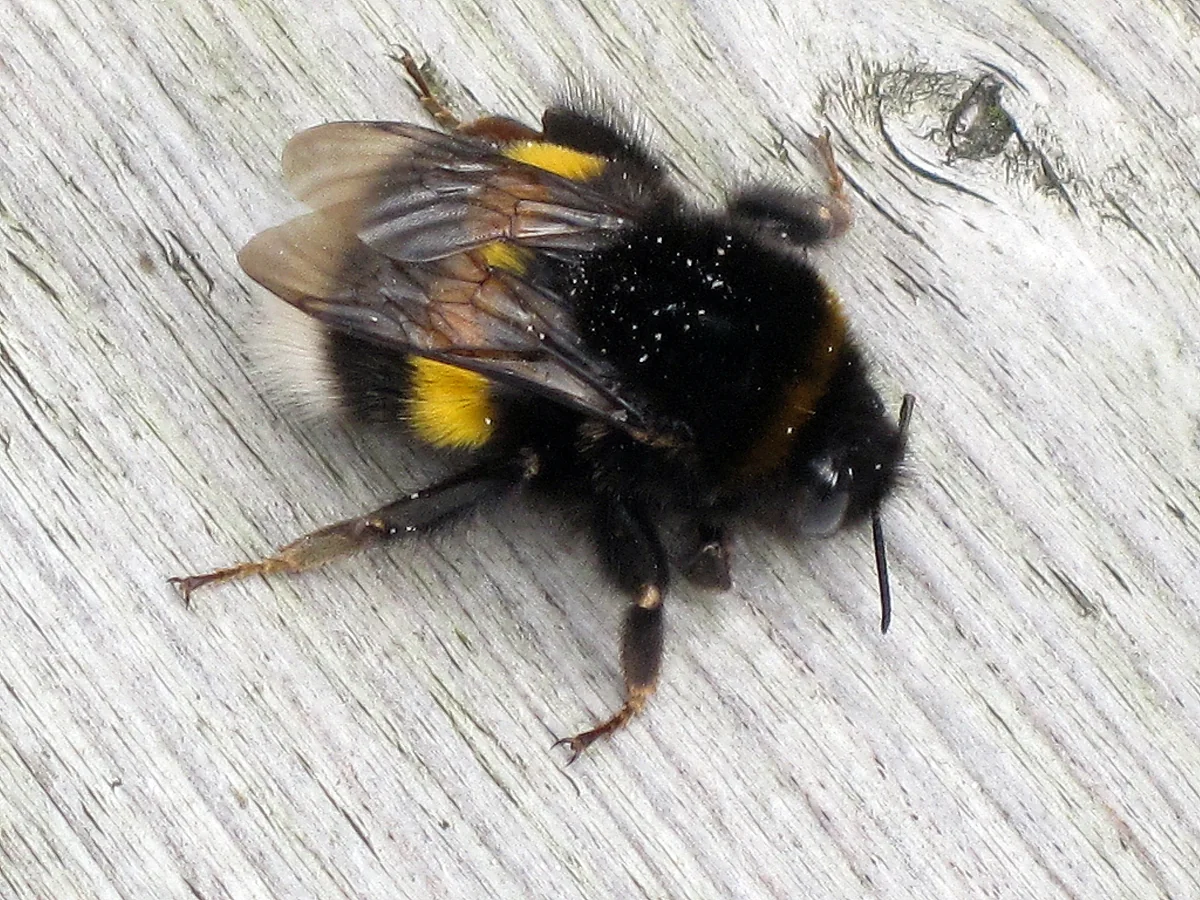
The air is still cool and the first flowers are opening. Among them appears a bumblebee, sturdily built and thickly haired. In most native social bumblebee species, those flying early in the year are overwintered queens. Their mother, the previous summer’s workers and the males have usually not survived the winter. Young queens remain from the old community, each on her own.
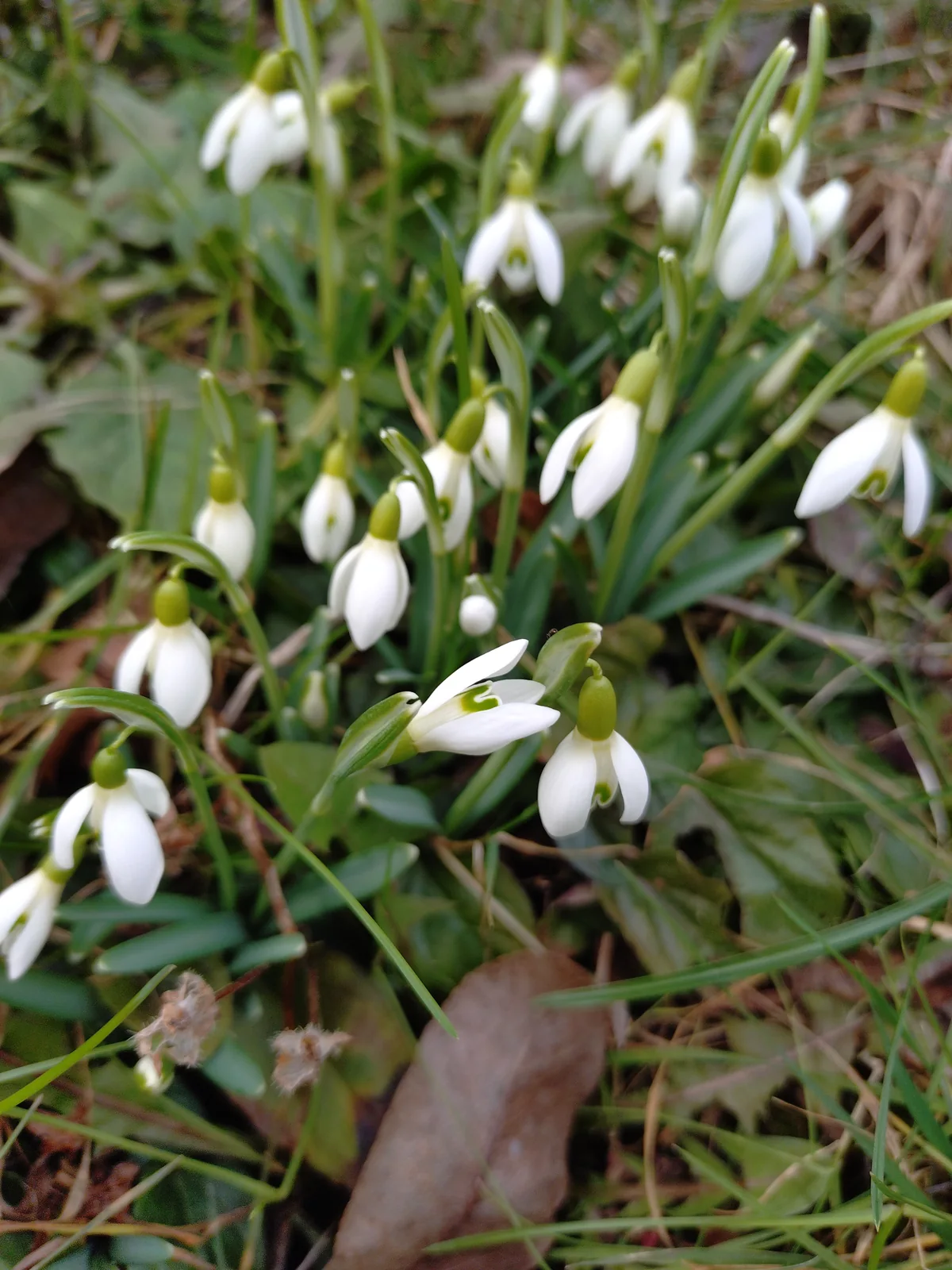
Such a queen already carries the prerequisites for a new colony within her: she mated the previous year. First, however, she needs food. Nectar supplies energy; pollen is needed to rear offspring. The first accessible flowers are therefore far more than a pretty sign of spring. The next step in a story that began last summer depends on them.
A home among roots and stems
When searching for a nest, a queen may fly slowly over the ground, inspect openings and disappear again. An abandoned mouse nest offers some species a suitable sheltered cavity with insulating material. Others search above ground, for instance in dense vegetation or tree hollows. Tree bumblebees may also use a bird nest box. There is no single bumblebee home suited to every species.
Inside, a small nursery develops first. Wax structures and storage pots help accommodate brood and food. The nest is no miniature honey bee hive with long, regularly arranged combs. Its structure grows with the offspring and the community’s needs. If you discover a nest entrance, you usually see only the little gateway to all this: an opening from which an occasional buzz emerges and to which, later, someone returns increasingly often.
Mother, forager and heater all at once
There are no workers yet during this founding phase. The queen lays her first fertilised eggs, gathers nectar and pollen outside, and cares for the growing larvae. These first offspring usually become female workers. At the same time, she generates heat with her flight muscles and passes it to the brood. The interplay of egg-laying, foraging and heat production characterises the beginning of the bumblebee colony.
Every foraging flight therefore interrupts care in the nest; every stay consumes food. The queen must reconcile the two. A gap in flowering or prolonged bad weather now affects a community still consisting of one mother and her dependent brood. Not every founding succeeds. The later bustle on a summer flower makes it easy to forget how slender the beginning of this life story is.
The day she receives help
After the egg, larval period and pupation, the first daughters emerge. With them, the nest changes fundamentally. Workers take on foraging flights, brood care and other tasks. The queen can now concentrate more on egg-laying. The solitary-working founder becomes the mother of a growing community.
Bumblebee colonies usually remain much smaller than honey bee colonies. Their size varies considerably with species, season and food supply. Workers from the same nest may also differ in size. A tiny bumblebee on a flower is therefore not automatically a different species from a larger one nearby. Above all, she is no insignificant animal: with every pollen parcel brought back, she helps the next larvae grow. The nest lives through many individual journeys between a small opening and the landscape.
Summer works towards a departure
A growing colony does not keep rearing workers indefinitely. During its life cycle, it also produces males and young queens. Males usually develop from unfertilised eggs; workers and queens from fertilised ones. Which female larvae develop into queens depends, among other things, on their nutrition and species-specific developmental conditions. A queen does not therefore lay a ready-made little queen into a cell.
The young queens must feed, build reserves and mate. This generation connects summer with the following year. A bumblebee colony’s reproductive success therefore cannot be read from worker numbers alone. A large community that produces no viable young queens leaves no new colony behind. And the small bodies now strengthening themselves at flowers carry a future scarcely visible from the outside.
At the end, nobody moves house together
In the typical annual cycle of our social bumblebees, the old colony’s life comes to an end. The old queen, workers and males die as the season draws to a close. The nest does not become a winter community like that of the honey bee. Young mated queens seek sheltered quarters and enter a winter dormancy biologically known as diapause.
Such places may lie in loose, well-drained soil, under moss, leaves or other sheltered structures. There, each queen lives on her reserves. This stage differs from the daily sleep of an active bee. A nest full of movement becomes scattered, hidden survivors. The Bumblebee Conservation Trust recommends leaving suitable winter sites as undisturbed as possible. Some fallen leaves left in place may now protect a stage of life we never see.
An annual cycle with many variations
“A colony for one summer” describes a common pattern in our climate, not a timetable valid worldwide. Species begin and end their seasons at different times. Winter-active colonies are also observed in some buff-tailed bumblebees in mild regions. Weather and food alter the possibilities. An individual animal seen in autumn therefore cannot reliably be classified by the calendar alone.
Cuckoo bumblebees do not fit the story of a mother founding alone with her own workers either. Their females use the nests of other bumblebee species to rear their offspring; they do not form a worker caste of their own. This diversity belongs to the bumblebee world. It encourages a good observing habit: look carefully first, then give it a name.
Visit a flower, discover a year
A familiar place with flowers is enough for a first glimpse of the bumblebee year. Visit in spring, in early summer and again later. Note the date, plant and behaviour. Is the animal drinking nectar? Does it carry pollen on its hind legs? Do bumblebees regularly return to a particular opening? A photograph can help with later interpretation. Body size alone does not provide a reliable identification.
Observe a nest entrance from a distance and keep the flight path clear. There is no need to open the nest to understand the story. Instead, preserve suitable flowers and undisturbed small structures nearby. Perhaps next spring you will again see a large bumblebee searching over the ground. Without investigation, you cannot know whether she came from the previous year’s nest. But her flight tells of the same task: finding a beginning from which others can live.
Sources & further reading
- Bumblebee Conservation Trust: The bumblebee lifecycle
- Bumblebee Conservation Trust: Inside a bumblebee nest (PDF)
- Iowa State University: Bumble Bee
- University of Florida: Bumble Bees of Florida – Biologie und Lebenszyklus
- Bumblebee Conservation Trust: Bumblebee nests
- Bumblebee Conservation Trust: How to help hibernating bumblebees