

A guide, not a timetable
Flowering times shift with weather, altitude, soil and location. A warm house wall in Kassel may show a different start to spring from a cool garden on a nearby slope. The following periods are therefore a rough guide for central European gardens. What matters is what actually flowers where you are and which insects visit it.
Begin by taking stock: which woody plants, perennials and herbs are already there? Record their observed flowering times, then mark the gaps. Perhaps what is missing is not a large summer planting but an early shrub or a group of late-flowering perennials. The Bavarian State Institute for Viticulture and Horticulture explicitly recommends planning garden areas and flowering times together. A calendar helps make purposeful use of the space available.
Late winter and early spring: making the first connection
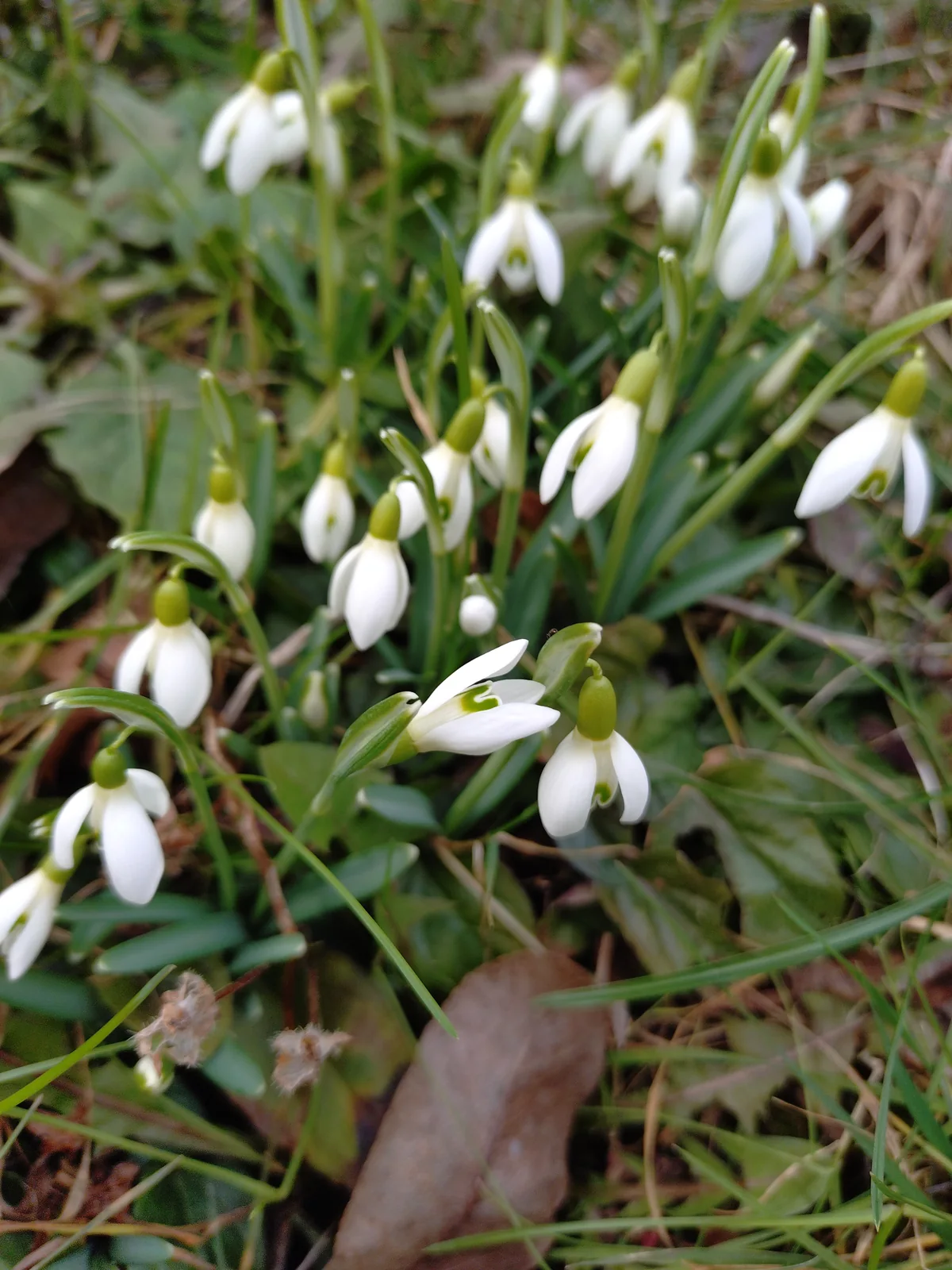
When overwintered bumblebee queens and early wild bees become active, the food supply is often still limited. Willows are among the valuable early-flowering woody plants. Their catkins can provide for various wild bees; some species even collect pollen with a particularly close dependence on willows. Where there is enough space, it is therefore worth considering a suitable place for a willow. A tree that will later grow too large is not, however, good planning for a small front garden.
Cornelian cherry and suitable early perennials such as Lenten roses can be further elements. You do not need everything at once. What matters more is that food is actually accessible when the first animals fly. Observe sunny days and note the plants they visit. The first buzzing of the year then becomes feedback too: here, the calendar has found a useful beginning.
Spring: turning abundance into a bridge
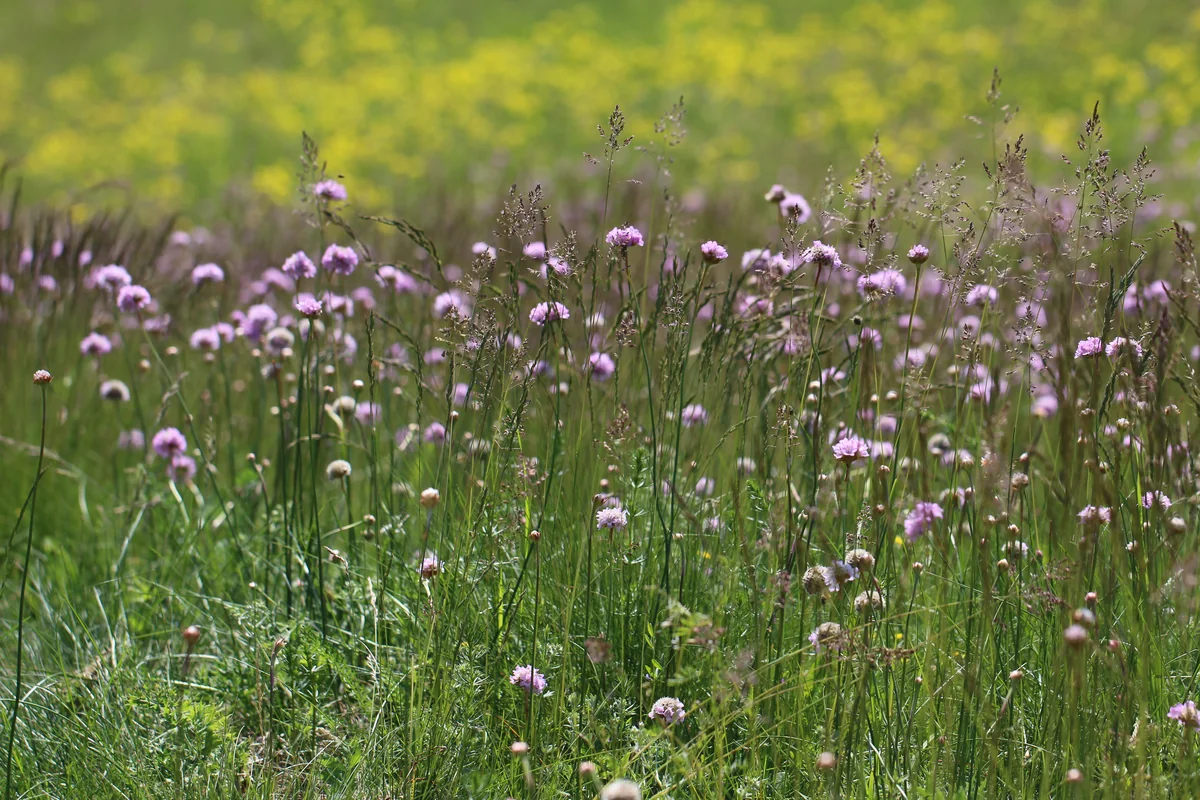
Fruit blossom, blackthorn and other early-flowering woody plants can now provide a rich supply. In a suitable location, meadow clary and further perennials follow in later spring. Staggering the flowering times is essential. An apple tree can blossom impressively without being able to provide all the food needed for the following months.
Food may already be present in the lawn too. Mowing selected areas less often allows dandelions or clover, for instance, to flower. The Royal Horticultural Society identifies less frequent mowing as a simple way to broaden the supply. Keep areas clear for play, paths and sitting. A garden need not serve the same purpose everywhere; different uses can find room alongside one another.
Summer: diversity rather than a single sea of flowers
Bellflowers, knapweeds, viper’s-bugloss and flowering herbs such as thyme or wild marjoram can provide summer food, depending on the location. Choose species whose needs match the light, moisture and soil. A bed in dry sunshine needs a different combination from a moist, partly shaded place. Many small failures can be avoided by considering the site first and the wish list afterwards.
Consider different flower shapes too. Not every bee can reach nectar in a long floral tube; open flowers give other visitors access. Single forms are usually the more reliable starting point when choosing plants. BUND Naturschutz presents suitable herbs, wild perennials and woody plants. This is not a shopping list for every garden, but a range of possible combinations suited to different sites.
Late summer and autumn: keeping the supply open
When many plants already bear seeds, late flowers become more important. Stonecrops of the genus Hylotelephium, suitable single-flowered autumn asters and flowering ivy can extend the food supply. Ivy flowers only in its mature form; a young climbing plant will not perform this role immediately. Existing flowering specimens therefore deserve consideration before being cut back.
In its selection for autumn pollinators, the Royal Horticultural Society describes both open flowers and late-flowering woody plants. These support animals still active without implying that all bees have the same autumn needs. A solitary bee active in spring may have long since disappeared by then; her offspring develop hidden in the nest. Through the year, the garden supports a changing set of visitors, not an unchanging group from March to October.
For some bees, “plenty” is not enough
A richly coloured bed can attract numerous flower visitors yet still fail to provide certain wild bees with the pollen they need. Some species specialise in particular groups of plants for their larvae’s food. Bellflowers, for example, are important pollen sources for several such bees. An especially nectar-rich substitute from a completely different plant family cannot simply take over that function.
The Royal Horticultural Society explains such relationships in its plant profiles for specialist bees. For garden planning, the conclusion is that native wild plants suited to the site form a valuable core. Suitable garden plants can complement it and extend flowering times. Do not count only colours or varieties. Ask which biological relationships a plant makes possible. And do not expect every bee species associated with it to appear immediately: it must occur somewhere within reach in the surrounding area.
Between the flowers, a home is needed
Even the best food supply remains incomplete if the required nesting places are missing. Bare patches of ground, suitable old stems, dead wood or other small structures serve different purposes. A single nesting house cannot replace them all. The Bavarian State Research Centre for Agriculture highlights the interaction of flowers, nesting opportunities and structurally diverse surroundings.
Care belongs in the calendar too. Mow suitable flowering areas at different times rather than ending the food supply everywhere at once. Leave existing nesting structures as undisturbed as possible and do not indiscriminately remove all dry stems in autumn. A bee-friendly garden can do without pesticides. Where new planting is planned, check origin and suitability; invasive species do not belong in well-intentioned flower planning. Areas outside the garden are also subject to different requirements from a perennial bed.
The most useful calendar grows where you are
Next year, regularly take ten minutes to follow the same route. Note plant names, the beginning and end of flowering, and recognisable visitors. Add whether each plant coped well with dry weeks and what care it needed. A photograph from the same position reveals when the lush spring area later becomes empty.
For the next planting, one specific question is then enough: which gap do I want to close? Perhaps the garden needs a reliable transition in June, or an additional flowering structure in autumn. Exchange experiences and suitable perennials with other gardeners. Observations produce a plan that knows your own soil and local weather. The flowering calendar then becomes something living rather than a printed promise: after one flowering, the next begins, and somewhere between them a bee finds what she needs that day.
Sources & further reading
- LWG Bayern: Lebensräume für (Wild)Bienen – Garten und Balkon gestalten
- Royal Horticultural Society: Plants for Pollinators
- Royal Horticultural Society: Top 10 garden plants for specialist bees
- Royal Horticultural Society: Top 12 plants for autumn pollinators
- BUND Naturschutz: Bienenfreundlicher Garten
- LfL Bayern: Wildbienen in der Kulturlandschaft